Understanding Cancer: Causes, Risk Behaviors, Warning Signs, and Treatment Options
Last updated: 9 Jul 2026
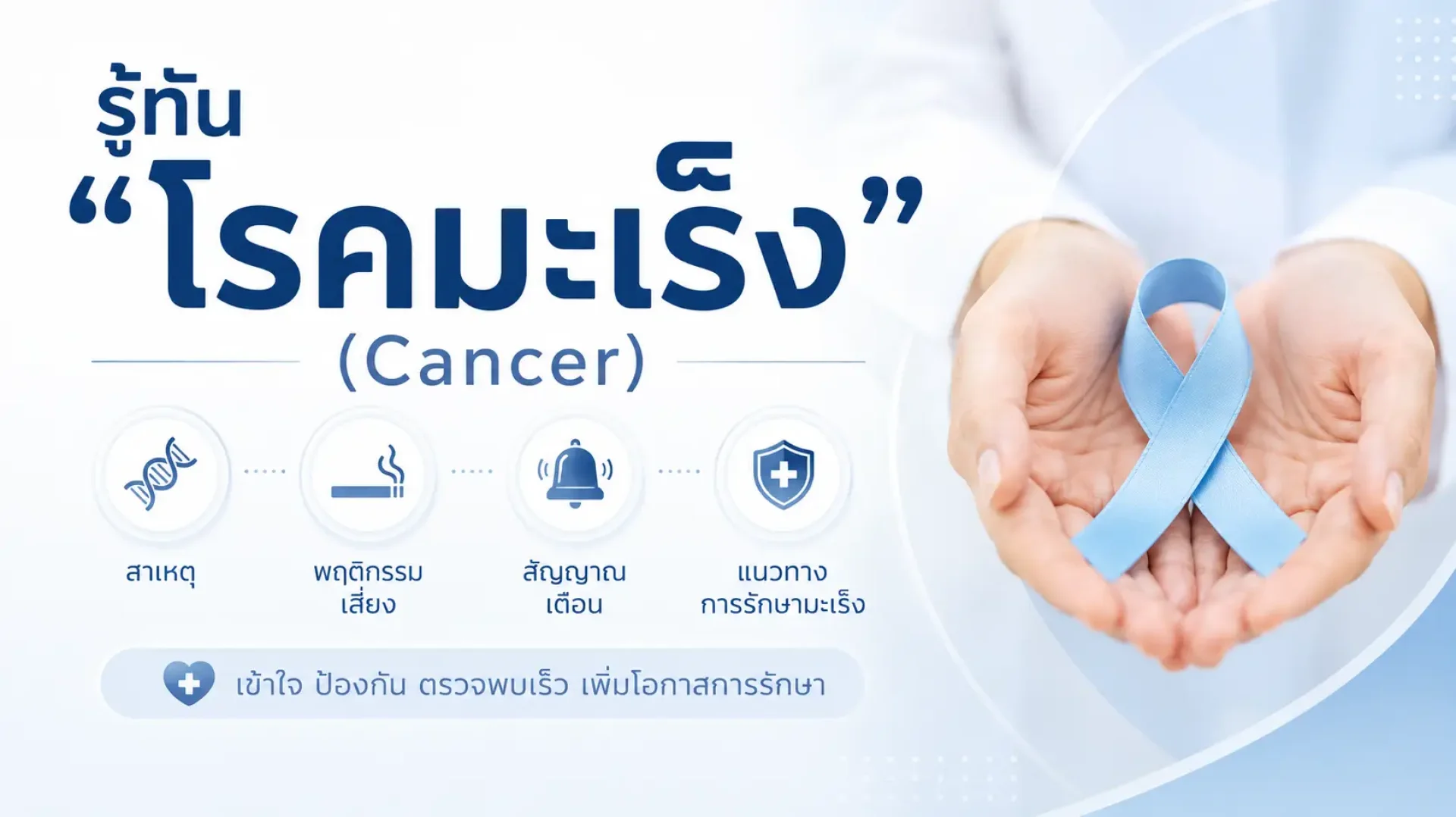
Understanding Cancer: Causes, Warning Signs, Prevention, and Treatment
Cancer remains one of the leading health challenges worldwide. However, with modern advancements in healthcare, discovering cancer at an early stage greatly increases the chances of successful management and long-term remission.
Our Cancer Care Department has put together this comprehensive guide to help you understand the root causes, behavioral risks, warning signs, and preventative measures against cancer.
1. Root Causes and Risk Factors of Cancer
Cancer develops when healthy cells undergo genetic mutations in their DNA, forcing them to grow and divide uncontrollably. These mutations are typically driven by two main elements:
Many cases of cancer are strongly linked to lifestyle choices. Modifying these everyday habits can significantly lower your risk profile:
Cancer remains one of the leading health challenges worldwide. However, with modern advancements in healthcare, discovering cancer at an early stage greatly increases the chances of successful management and long-term remission.
Our Cancer Care Department has put together this comprehensive guide to help you understand the root causes, behavioral risks, warning signs, and preventative measures against cancer.
1. Root Causes and Risk Factors of Cancer
Cancer develops when healthy cells undergo genetic mutations in their DNA, forcing them to grow and divide uncontrollably. These mutations are typically driven by two main elements:
- Internal Genetic Factors: Inherited gene mutations passed down through families, advancing age, or compromised immune systems.
- External Environmental Factors: Prolonged exposure to carcinogens (such as asbestos or arsenic), excessive ultraviolet (UV) radiation from the sun, and certain infectious pathogens like Hepatitis B and C (linked to liver cancer) or Human Papillomavirus (HPV, linked to cervical cancer).
Many cases of cancer are strongly linked to lifestyle choices. Modifying these everyday habits can significantly lower your risk profile:
- Tobacco Use and Secondhand Smoke: The primary driver for lung, laryngeal, and oral cancers.
- Chronic Alcohol Consumption: Directly elevates the risk of liver, colorectal, and breast cancers.
- Poor Dietary Choices: Regular intake of charred or grilled meats, highly processed foods (such as sausages, ham, and bacon), and high-fat diets.
- Obesity and Physical Inactivity: Closely associated with an increased risk of several cancers, including pancreatic, kidney, and colon cancers.
- Unprotected Sun Exposure: Spending long periods under intense sunlight without sunscreen increases the risks of skin melanoma.
3. The 7 Warning Signs of Cancer (CAUTION)
The American Cancer Society uses the CAUTION acronym to help individuals recognize early symptoms. If you experience any of these persistently, you should seek a medical evaluation promptly: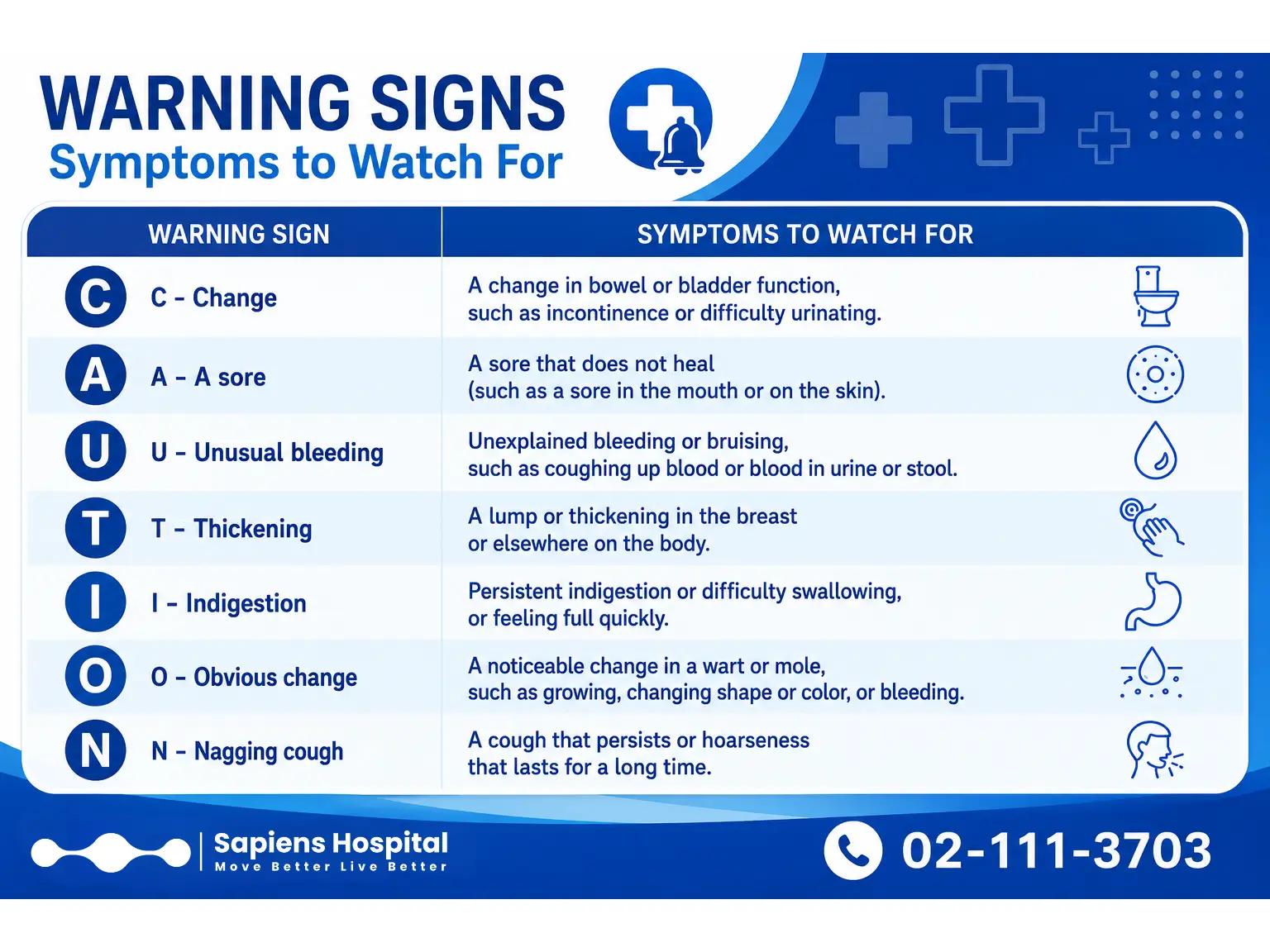
(Note: Unexplained, rapid weight loss and prolonged low-grade fevers are also important warning indicators that require medical attention.)
4. Prevention and Early Cancer Screening
Up to 30-40% of cancer cases can be prevented through proactive health choices and regular medical check-ups:
- Eat a Balanced Diet: Focus on antioxidant-rich fruits, vegetables, whole grains, and lean proteins while cutting back on processed meats.
- Stay Physically Active: Engage in at least 150 minutes of moderate exercise per week to help manage weight and boost overall immunity.
- Abstain from Smoking and Limit Alcohol Intake
- Get Vaccinated: Protect yourself against cancer-causing viruses with the HPV and Hepatitis B vaccines.
- Schedule Regular Screenings: Early detection through routine screening procedures—such as mammograms for breast cancer, Pap smears for cervical cancer, and colonoscopies for colorectal cancer—saves lives by catching precancerous conditions early.
5. Advanced Cancer Treatment Options
When a diagnosis occurs, our medical specialists work collaboratively to build a customized, multidisciplinary treatment plan tailored specifically to the patient’s health profile:
- Surgery: Performed to physically remove the tumor block when the cancer is localized.
- Chemotherapy: The use of powerful medications to destroy rapidly multiplying cancer cells throughout the body.
- Radiation Therapy: Employing high-energy rays directed precisely at the tumor site to neutralize malignant cells.
- Targeted Therapy: Next-generation drugs engineered to identify and attack specific cancer cells while leaving healthy cellsunharmed, reducing side effects.
- Immunotherapy: Advanced treatments that stimulate and empower your body's own immune system to recognize and fight off cancer.
Related Content

If you've been experiencing neck, shoulder, and back pain for a long time that won't go away no matter what you do, it might not be Office Syndrome.
20 Apr 2026
Hepatitis is a silent killer with no early symptoms, leading to chronic liver cirrhosis and liver cancer. Discover the core causes, key hepatitis symptoms, and essential liver screening methods to protect your health.
29 Jun 2026
Eight years of despair. A fall that we never thought would have any consequences turned into excruciating pain, burning back pain that left us almost bedridden, unable to sleep or work. MRI scans revealed no cause; the only advice given was to take medication and pray.
20 Apr 2026
